Best Golf Travel Bag Guide: Protect Your Clubs on Flights
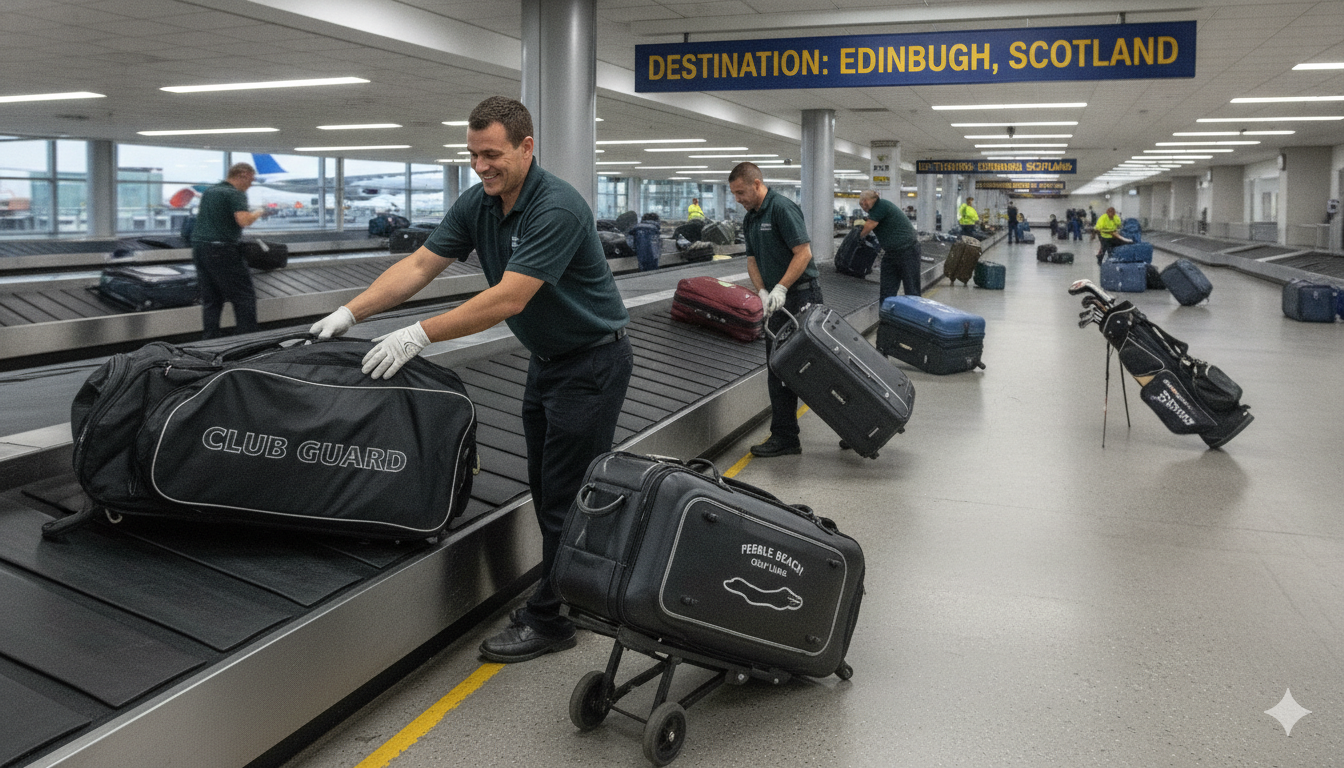
Booking a dream golf trip to Scotland or Pebble Beach is incredibly exciting. However, watching the baggage handlers toss luggage around can make any golfer deeply anxious. Your clubs are a massive financial and personal investment, so leaving their safety to chance is a recipe for disaster. That is why finding a high-quality golf travel bag is the single most important step you can take before heading to the airport terminal.
The right golf travel bag acts like a personal bodyguard for your drivers, irons, and putters while you fly. In this comprehensive guide, we will break down exactly what features to look for when choosing your next travel companion. We will share real-world testing insights, look at the big debate between hard and soft covers, and give you practical packing tips. Our goal is to help you arrive at the first tee with your gear completely intact and ready to roll.
Why Buying a High-Quality Golf Travel Bag Matters
You cannot simply slap a standard shipping label on your daily stand bag and hand it over to the airline. Modern golf clubs are built for high performance on the course, but their long graphite shafts are highly vulnerable to snapping under sudden side impacts. A dedicated golf travel bag is specifically engineered to absorb heavy structural shocks, prevent club heads from rubbing together, and shield your gear from chaotic conveyor belts.
When you invest in a premium golf travel bag, you are essentially buying peace of mind for every flight you take. Cheap, unpadded covers often tear open on their very first trip, leaving your expensive custom clubs exposed to grease, rain, and concrete. Spending a bit more on heavy-duty fabrics and strong zippers ensures that your gear stays clean, dry, and safe. Plus, it saves you from dealing with stressful airline structural damage claims during your vacation.
Soft Sided vs Hard Shell Golf Travel Covers
Choosing between a soft-sided golf travel bag and a rigid hard case is the biggest decision you will face. Soft-sided bags are by far the most popular choice for modern golfers because they are incredibly lightweight and highly versatile. These fabric covers are typically made from thick ballistic nylon, making them easy to squeeze into the trunk of a compact rental car. They also fold down flat, which is great if you have limited storage space in your closet at home.
On the other side of the fence, hard-shell cases look a bit like heavy plastic coffins, but they offer unmatched crush protection. If a massive suitcase falls directly onto a hard case in the cargo hold, the rigid outer shell bears the entire weight easily. However, hard cases do not flex at all, meaning they can be a nightmare to fit into smaller vehicles. Many major airlines will only cover gear damage if your clubs are packed inside a hard case, which is a vital rule to remember.
Key Features to Look For in a Golf Travel Bag
When you are shopping for a new golf travel bag, you need to look closely at the raw materials used. The best soft-sided options use 1680D ballistic nylon or heavy-duty polyester, which easily resist sharp tears and abrasions. You should also look for a golf travel bag that features thick, dense foam padding wrapped entirely around the top compartment to cushion your club heads. Strong, oversized locking zippers are also essential for keeping thieves out of your gear.
Transportation features are another critical area where premium bags stand out from cheap models. A quality golf travel bag always features smooth-rolling inline skate wheels or 360-degree spinner wheels to help you breeze through busy airport lobbies. Look for reinforced lifting handles on the top, side, and bottom of the cover, as these make loading the bag into a shuttle van much easier. Internal compression straps are also vital because they stop your golf bag from sliding around inside the cover during transit.
The Ultimate Golf Travel Bag Comparison Table
To help you see the bigger picture, we have created a clean breakdown comparing the top-performing travel bags on the market today. This table highlights how different weights, materials, and styles impact overall portability and protection.
| Travel Bag Model | Case Style | Key Materials | Weight (Empty) | Standout Feature |
| Sun Mountain ClubGlider Meridian | Premium Soft | 1200D Ballistic Nylon | 11.3 lbs | Retractable leg mechanism bears full weight |
| Club Glove Tour Traveler SB | Ultra-Durable Soft | 1000D Cordura Fabric | 10.5 lbs | Used by the vast majority of Tour professionals |
| SKB ATA Staff Pro XL | Heavy-Duty Hard | Military-Grade Polyethylene | 17.0 lbs | Unmatched crush protection with TSA locks |
| Sun Mountain Kube | Compact Hybrid | Ballistic Nylon + Plastic Shell | 6.8 lbs | Folds down into a tiny, easy-to-store hard box |
| BigMax Dri-Lite Travel | Budget Soft | Waterproof Dri-Lite Fabric | 7.0 lbs | Excellent weather protection at a lower price |
Real-World Travel Insights and Practical Packing Tips
Over years of traveling for golf media projects, I have learned that owning a great golf travel bag is only half the battle. How you pack the interior space makes a massive difference in whether your clubs arrive in one piece. If you own modern adjustable woods, the smartest trick is to unscrew the club heads completely before your flight. Pack those expensive heads inside their headcovers and slip them into your carry-on luggage, leaving the empty shafts safely inside your main bag.
Next, you should always buy a telescopic support rod, often called a stiff arm or a backbone protector. You adjust this metal rod so it stands slightly taller than your longest club shaft, allowing it to absorb any vertical crushing forces if the bag is dropped upside down. I also like to weave my soft golf towels and rain jackets directly between my iron heads. This simple technique stops them from rattling loudly and scratching each other during long bumpy flights.
Navigating Airline Weight Limits and Baggage Fees
Before you roll up to the airport curb, you must understand how your airline views sports equipment. Most carriers allow a golf travel bag to count as a standard checked piece of luggage, but strict weight limits still apply. The standard weight limit for most domestic flights is exactly 50 pounds before heavy overweight fees kick in. A heavy travel cover combined with a massive staff bag, three dozen golf balls, and heavy rain boots can easily push you over that limit.
To keep your wallet safe, always use a portable digital luggage scale at home before you leave for the airport. If your golf travel bag is getting close to the 50-pound mark, take out the extra golf balls and heavy shoes. You can easily slide those dense items into your standard rolling carry-on suitcase instead. Also, remember to tuck all loose straps inside the bag pockets so they do not catch on the airline conveyor belt systems.
How to Clean and Maintain Your Travel Cover
Your golf travel bag is going to take a beating from grease, dirt, and airport weather over time. To keep the fabric strong and performing well, you should wipe down the exterior with a damp cloth and mild soap after every major trip. Avoid using harsh chemical bleach because it can break down the water-resistant coatings applied to the nylon fabric. Always let the cover air dry completely in a well-ventilated room before folding it away for long-term storage.
Do not forget to inspect the mechanical parts of your golf travel bag on a regular basis. Check the wheel housings for trapped carpet fibers, dirt, or small pebbles, and clear them out so the wheels can spin freely. Spraying a tiny bit of silicone lubricant onto the zipper tracks will keep them gliding smoothly without snagging. Taking care of these small maintenance details ensures your travel cover will last for decades of golf adventures.
Addressing Common Security Concerns When Flying With Clubs
It is common to worry about TSA agents opening up your secure golf travel bag when you cannot see them. Because golf clubs are large and metallic, security screeners will almost always open your bag to inspect the contents manually. To make their job easier and protect your gear, avoid packing loose items like keys, loose tees, or unboxed golf balls inside the main compartment. Keeping everything neatly organized in zippered pockets means agents can inspect the bag quickly without losing your gear.
If you are using a hard-shell case, make sure the built-in latches feature certified TSA-approved locking systems. These special locks allow security agents to open and re-lock your case using an official master key without breaking your expensive latches. For soft-sided bags, buy a small, flexible TSA-approved padlock to secure the main zippers together. Always write your name, phone number, and destination address clearly on both an exterior luggage tag and a secure note tucked safely inside the bag.
Why a Multipurpose Bag Design Adds Extra Value
When you are investing hundreds of dollars into a premium golf travel bag, it is smart to find a design that offers extra utility. Many modern soft-sided travel covers include oversized exterior pockets designed specifically to hold dirty golf shoes. This feature keeps grass clippings and mud isolated away from your clean polo shirts and light-colored golf pants. Some bags even feature insulated pockets to keep sports drinks cool during long road trips.
Furthermore, a well-designed golf travel bag can pull double duty as an extra equipment duffel for extended vacation trips. If you use a compact stand bag, you will usually find tons of extra space inside the travel cover around the base and sides. You can easily pack your bulky jackets, beach towels, and extra casual shoes directly into these open gaps. This clever packing strategy can save you from needing to check a second piece of traditional luggage, saving you money on round-trip flight fees.
Finding the Perfect Balance Between Budget and Club Protection
It can be tempting to buy the cheapest golf travel bag you can find online, especially if you only fly once a year. However, cheap bargain bags under one hundred dollars almost always use thin polyester fabrics that tear like paper under stress. They also tend to feature weak plastic wheels that can crack on rough concrete pavements. Buying a cheap bag is often a risky gamble that can end up costing you thousands of dollars in ruined golf equipment.
If you are on a tight budget, look for mid-range value options that still offer thick internal padding and durable 600D fabrics. Brands like OutdoorMaster and ZEEMO offer fantastic durability and smooth rolling wheels without charging a massive premium. For serious golfers who travel multiple times a year, spending more on a premium Sun Mountain or Club Glove model is worth every single penny. Think of your travel cover as a long-term insurance policy for your favorite set of clubs.
Frequently Asked Questions
Do airlines cover clubs damaged inside a soft golf travel bag?
Most major airlines will not take responsibility for structural damage if your clubs are packed inside a soft-sided cover. They usually require you to sign a liability release form at the check-in counter, meaning you travel at your own risk. To protect your gear in a soft bag, always use a rigid support rod and wrap your club heads tightly in thick towels.
Can I fit a large tour staff bag inside a standard golf travel bag?
Standard travel covers are designed to fit traditional carry stand bags and average-sized cart bags easily. If you play with a massive, heavy tour staff bag, you will need to buy an extra-large model like the Sun Mountain ClubGlider Pro. Always double-check the interior dimensions listed by the manufacturer before making your final purchase.
What is a golf travel bag stiff arm and do I really need one?
A stiff arm is an adjustable aluminum rod with a wide plastic umbrella top that sits inside your bag. It is designed to stand taller than your driver to absorb heavy vertical drops during airport handling. It is highly recommended for soft-sided covers because it prevents your expensive graphite shafts from snapping under compression forces.
How do I prevent my golf travel bag from going over the 50-pound airline limit?
To keep your bag lightweight, remove all non-essential items like heavy training aids, alignment sticks, and massive umbrellas before packing. Only pack the exact number of golf balls you need for the trip rather than carrying full heavy boxes. Use a digital luggage scale at home to verify the total weight before you head to the flight terminal.
Are hard-case golf travel bags difficult to fit into rental cars?
Yes, large hard-shell cases can be very difficult to pack because their rigid plastic frames do not bend or flex at all. If you are traveling with a companion and have two hard cases, you will likely need to rent a large SUV or a minivan to fit them. Soft-sided travel bags are much easier to manage because they can compress down to fit into tight trunk spaces.
Can I pack regular clothes and shoes inside my golf travel bag?
Absolutely, packing extra clothing around your golf clubs is a fantastic way to create extra layers of protective cushioning. Just make sure that all your gear stays under the airline’s official 50-pound weight limit to avoid extra fees. Use the designated exterior pockets to store dirty golf shoes so they stay away from your clean shirts.
Final Thoughts on Choosing Your Next Travel Bag
Investing in the right golf travel bag is the best way to ensure your next golf vacation starts on a perfect note. Whether you choose the effortless rolling design of a soft-sided glider or the heavy-duty armor of a hard case, prioritize thick padding and strong fabrics. By combining a quality travel cover with smart packing habits, you can fly with absolute confidence. Take care of your gear, pack carefully, and have a wonderful time out on the fairways!