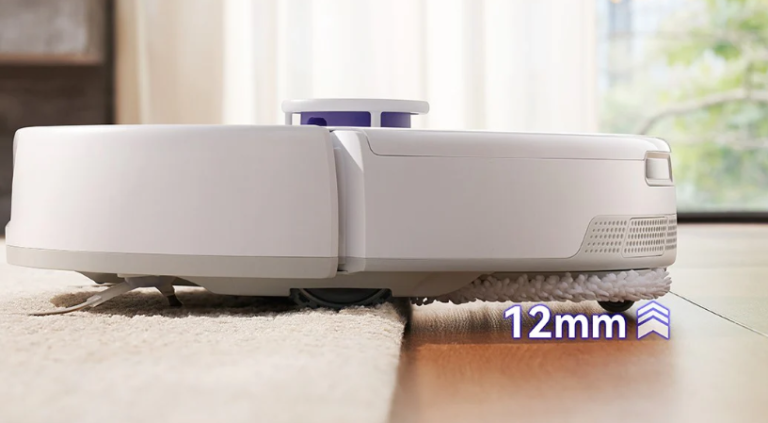
Selecting Robot Vacuums for Allergy Relief
Dealing with allergies can be a challenge, especially with dust, pet dander, and other allergens present in the home. Robot vacuums, equipped with powerful suction and advanced features, can help reduce these allergens. This article guides you in selecting robot vacuums specifically designed to combat allergies.
Creating an Allergen-Free Home Through Cleaning
Allergens like dust mites, pet dander, and pollen can negatively impact indoor air quality, leading to symptoms like sneezing and congestion. Consistent cleaning is essential for addressing these issues. Regularly dusting surfaces, vacuuming carpets, and washing bedding can significantly reduce allergen buildup, leading to fewer allergy symptoms and a healthier living environment.
The Advantage of Robot Vacuums
Robot vacuums are particularly useful for allergy sufferers because they provide consistent cleaning with minimal effort. Many models have HEPA filters that capture tiny allergens, improving air quality. Their design allows them to navigate under furniture and reach tight spaces, maintaining a thorough cleaning routine. This makes them an excellent choice for creating a more allergen-free home.
Key Features to Consider When Choosing a Robot Vacuum for Allergy Sufferers
When choosing a robot vacuum for allergy management, evaluating several aspects is important. Consider the following features:
- Suction Power: Choose a vacuum with strong suction to efficiently remove dust, pet hair, and allergens from surfaces. A suction power of 2,000 Pa or more is ideal for dealing with small particles.
- HEPA Filtration: Look for models equipped with HEPA filters, which can capture up to 99.97% of particles as small as 0.3 microns. HEPA filtration ensures that dust, pollen, pet dander, and other allergens remain contained within the vacuum.
- Low Noise: Quieter robotic vacuums (under 60 dB) are ideal for allergy sufferers because loud vacuums can stir up dust and allergens. This allows for frequent cleaning without aggravating symptoms.
- Smart Navigation and Coverage: A robot vacuum with advanced mapping and navigation features can thoroughly clean your home without missing spots. Look for models with multi-room mapping and customizable cleaning schedules to target high-allergen areas regularly.
Optimizing Your Robot Vacuum for Allergy Prevention
After selecting the right robot vacuum, optimizing it for allergy prevention is essential. Here are some tips for maximizing allergy control:
Establish a Regular Cleaning Schedule
Set up a consistent cleaning schedule to ensure allergens are consistently reduced. Most robot vacuums allow programming regular cleaning sessions. Aim for daily or every other day cleaning, especially in high-traffic areas where allergens tend to accumulate.
Focus on High-Allergen Zones
Ensure the robot vacuum cleans areas known to trap allergens, such as bedrooms, living rooms, and spaces where pets spend time. Consider using the vacuum’s ability to focus on specific rooms or spots with high concentrations of dust or pet hair for deeper cleaning.
Utilizing HEPA Filters Effectively
Regularly clean or replace the vacuum’s HEPA filter. A clogged or dirty filter will lose its ability to trap allergens and may release them back into the air. Adhere to the manufacturer’s guidelines for maintaining the filter.
Using Mop Functions Regularly
Many robot vacuums come with mopping functions that can help reduce allergens on hard floors. Use the mop function frequently, especially if you have pets or significant dust accumulation. Warm water cleaning can help sanitize floors and reduce the presence of allergens.
Optimize Vacuum Navigation
Configure the robot vacuum to clean every room in your home. Use multi-floor mapping, if available, to ensure all areas are thoroughly covered. Use “no-go” zones to prevent the vacuum from cleaning areas where allergens might accumulate unnecessarily.
Robot Vacuums and Allergy Control: How They Help
Robot vacuums offer several benefits in controlling allergies by improving indoor air quality, using advanced filtration systems, maintaining regular cleaning schedules, and reducing your contact with dust.
Improving Indoor Air Quality
Robot vacuums continuously eliminate dust, pet hair, and other allergens from floors, improving indoor air quality. They can be set to clean daily, reducing allergy buildup. This constant removal of dust particles helps reduce the overall allergen load in your home, making it a more healthy environment for allergy sufferers.
Advanced Filtration Systems
Many robot vacuums have HEPA filters designed to trap tiny particles that can cause allergies. HEPA filters can catch particles as small as 0.3 microns, effectively reducing the amount of dust, pollen, and pet dander in the air. This helps prevent these allergens from being recirculated into the air during use.
Regular Cleaning Schedules and Smart Navigation
The ability to maintain a regular cleaning schedule is a significant advantage of robot vacuums. They can be set to clean at specific times, ensuring floors are always free of dust and allergens. This is particularly useful for allergy sufferers because it keeps allergen levels consistently low without manual vacuuming and ensures better coverage.
Conclusion
Allergy relief at home starts with the right tools. A HEPA robot vacuum not only offers powerful suction but also traps fine particles like dust, dander, and pollen with its advanced filters. Routine cleaning with these devices keeps allergens under control, improves indoor air quality, and ensures your home feels cleaner and healthier. Over time, the impact is especially clear for families dealing with pets or seasonal allergies.